A small studio for travel plans. We compose itineraries the way a thoughtful friend would, if a thoughtful friend had the entire afternoon.
TripSmith is an itinerary studio. You tell us where you're going, who is with you, what you eat, and how you move. A few minutes later we deliver a plan — composed, routed, booked where bookings exist, dated in the year you are reading it.
We compose by reading what you carry, walking the route on a map, and removing the third coffee shop. The work is done by software we built, watched closely by people who travel. The output is a document you can read on a train, edit at midnight, take offline, and hand to a friend who decided to come along after all.
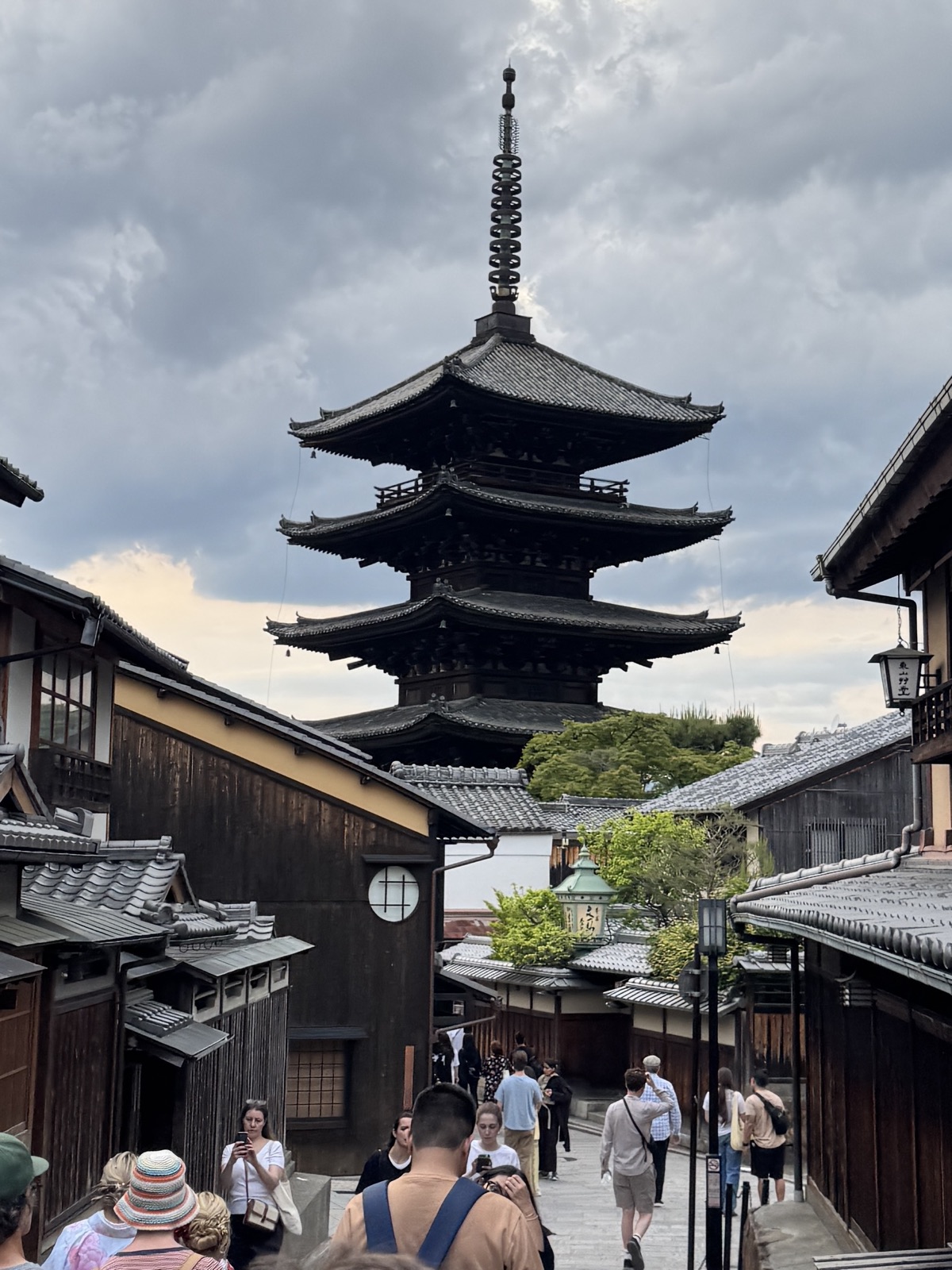
Kyoto morning, late spring. A reader said matcha, and somewhere quiet. We sent her to the south door of Ippodo Tea, behind the cypress, at 09:15 — fifteen minutes after opening, twenty minutes before the small bus from the station arrives. The tea is the same tea at either door; the silence is only at the south one, and only before half past nine.
For anyone going somewhere, with anyone. A couple on a tenth anniversary. A group of six friends who haven't all been in the same room since the wedding. A family with a child who only eats noodles and a grandmother who can manage three flights but not four. A solo traveler who would like to be alone, but not lost.
We are not for the traveler who already has a spreadsheet, a folder of saved pins, and a friend in the city. They have a plan; ours would only get in the way. We are for the rest of us — the ones who would like the kind of plan a knowledgeable friend would make, without having to be one ourselves, or know one in every city.
A trip plan is a small thing to hold for a group. It tells everyone where to be, when. It absorbs the dietary line nobody wants to have to repeat. It lets the parent on the trip enjoy the trip. We make the plan so that the group can do the trip.
The studio runs on a small handful of beliefs. We try to keep them visible in the work, because a reader can usually tell when they have been kept and when they have not.
Verified address, current opening hours, today's rating, the booking link, a phone that answers, a last-checked-on date you can see. If a venue is in your plan, somebody — or some quiet bit of software we wrote — touched it recently. Placeholders are a kind of lie; we don't tell them.
Walking minutes that respect your stride. Train transfers that respect your luggage. A 09:00 temple in Higashiyama and a 12:30 reservation in Pontochō is not a six-minute taxi; it is a seven-minute downhill walk through Yasaka. We compose with the map open, not closed.
Restraint is its own kind of work. When a morning has three good cafés within a kilometer, we name the best one and let the day breathe. A plan with too much in it is not a generous plan; it is an anxious one.
A dietary line, a knee, a prayer window, a child who needs to be home by eight — these are not notes appended to a generic plan. They shape what the plan can even be. They survive every regeneration, because they describe the body taking the trip.
After the first draft we put the plan down and pick it up later, in the same morning light a reader will read it in. Walking times sanity-checked. Lottery deadlines surfaced. A kitchen flagged for cross-contamination. The bus number we could not verify, struck and replaced with the train.
Edit anything, anytime — at 11 p.m., mid-trip, on a train with no signal. Forward a boarding pass and the day reshapes around the new arrival. Take the trip offline; it works underground. We hand the plan over and it is yours, fully, the moment it lands.